
If you've spent any time researching wedding photographers, you'll have noticed that almost everyone uses words like "natural" and "relaxed" and "capturing real moments." It's got to the point where those phrases mean almost nothing. So let's actually talk about what documentary wedding photography is — and more importantly, what it isn't.
The simplest way to put it
Documentary photography is about capturing the spirit and feeling of a day as it actually unfolds, without setting up, staging or directing any of it. The photographer's job is to observe, not orchestrate.
Traditional wedding photography works differently. It's more structured — the photographer takes a leading role in arranging people, directing poses, and constructing images. The results can be beautiful, but they're built rather than found.
Neither approach is wrong. They just produce very different sets of photographs, and very different experiences on the day.
The photographers who inspired us
When we talk about documentary photography, the names that come to mind aren't wedding photographers at all. They're people like Robert Doisneau, whose images of ordinary Parisian life in the mid-twentieth century captured genuine human warmth in unguarded moments. Or Elliott Erwitt, whose quietly funny, deeply humanist photographs found extraordinary things happening in completely ordinary scenes. Or Martin Parr, whose unflinching eye for British social life produced images that were simultaneously affectionate and hilarious.
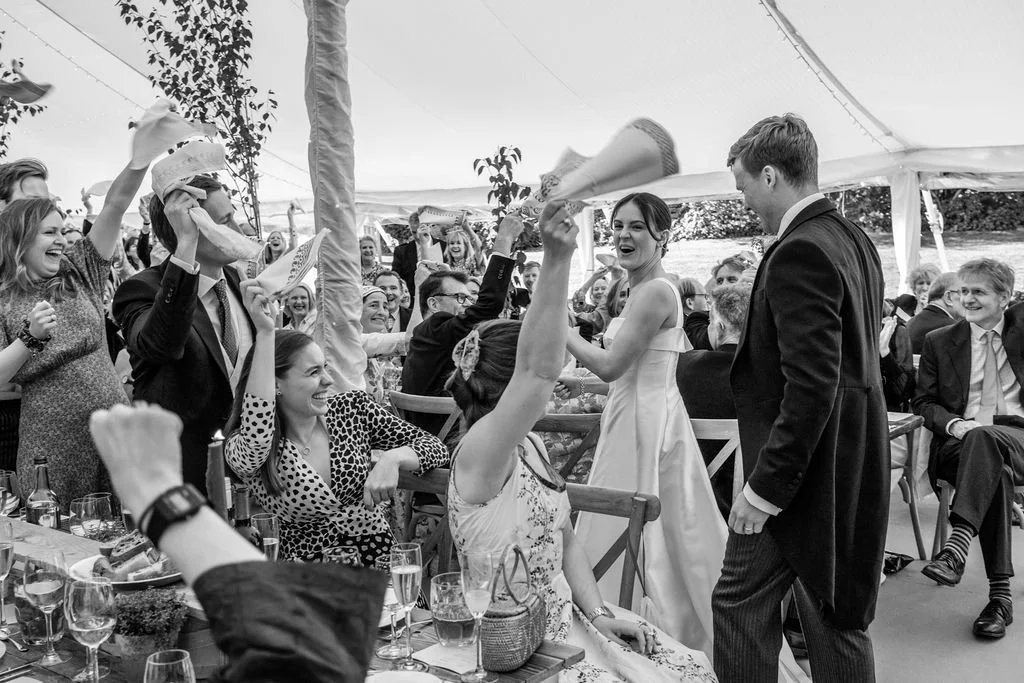
What all three have in common is that they never told anyone what to do. They watched, they waited, and they pressed the shutter at exactly the right moment. That's the tradition we're working in — we've just swapped the streets of Paris for barn receptions in Somerset.
What documentary looks like on a wedding day
It means we're not going to stop your morning preparations to arrange everyone by the window for a nice shot. We're going to photograph your mum doing up your dress while your bridesmaids are still in their dressing gowns looking for someone's earrings.

It means we're not going to pause the speeches to ask the speaker to hold that expression. We're going to be in the room, watching, ready for the moment your best friend completely loses it two sentences in.
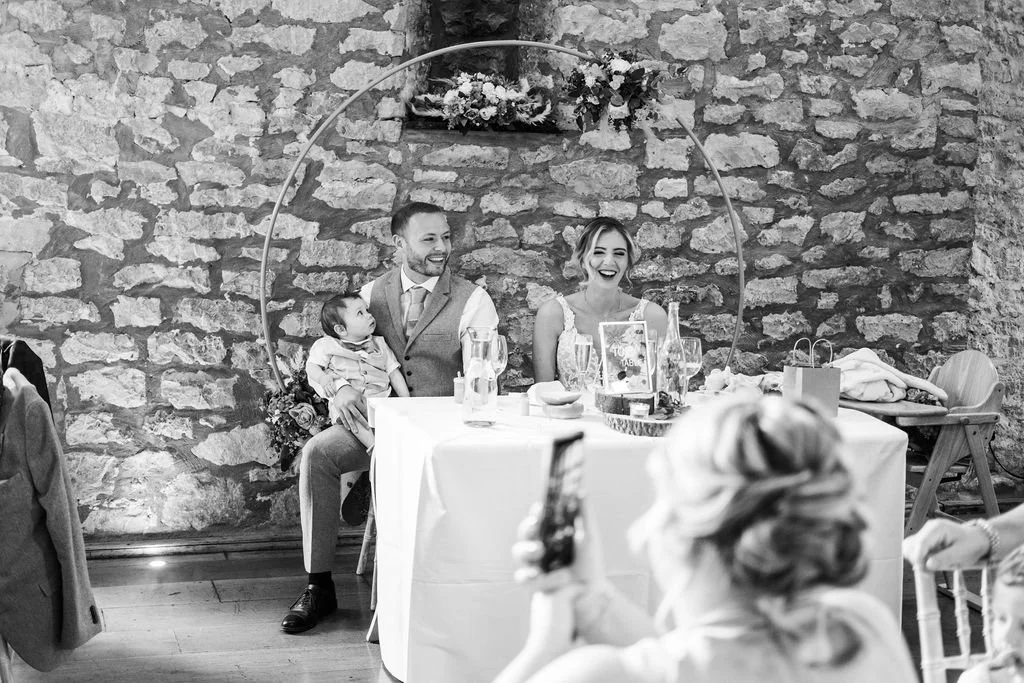
It means the portrait session — the bit where it's just the two of you — isn't a series of poses we've put you in. It's us finding a beautiful spot, asking you to walk together, and photographing what happens when two people who are madly in love forget there's a camera nearby.
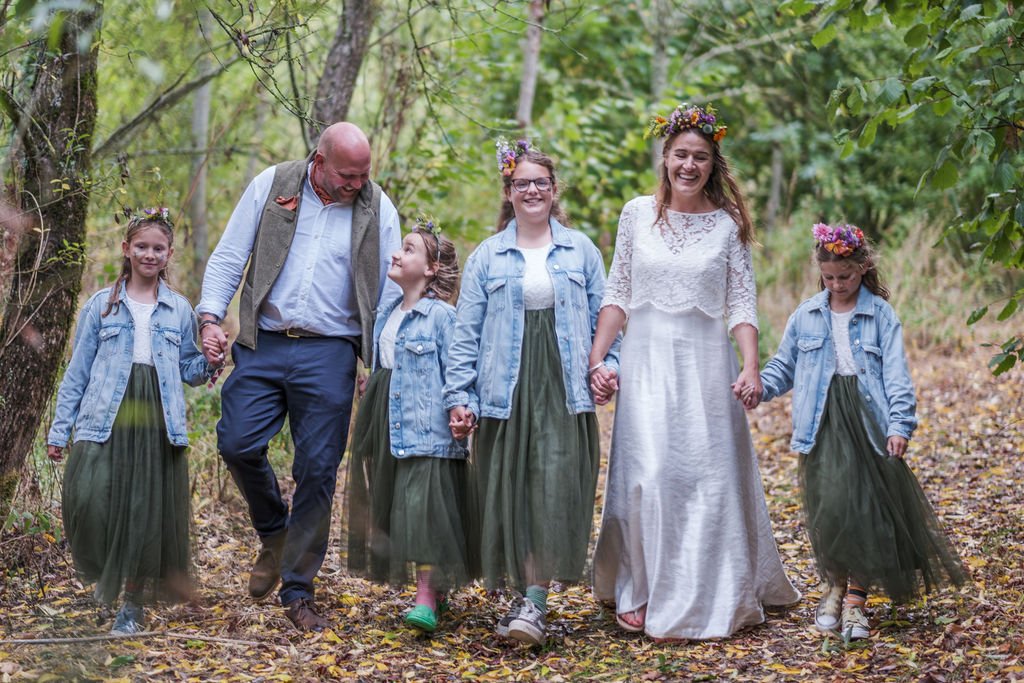
What documentary doesn't mean
It doesn't mean zero group shots. We do them — efficiently and happily — because we understand they matter. It doesn't mean every photo is candid and chaotic. Some of the most striking documentary images are quiet and still. And it doesn't mean we're invisible ghosts who never speak to you.
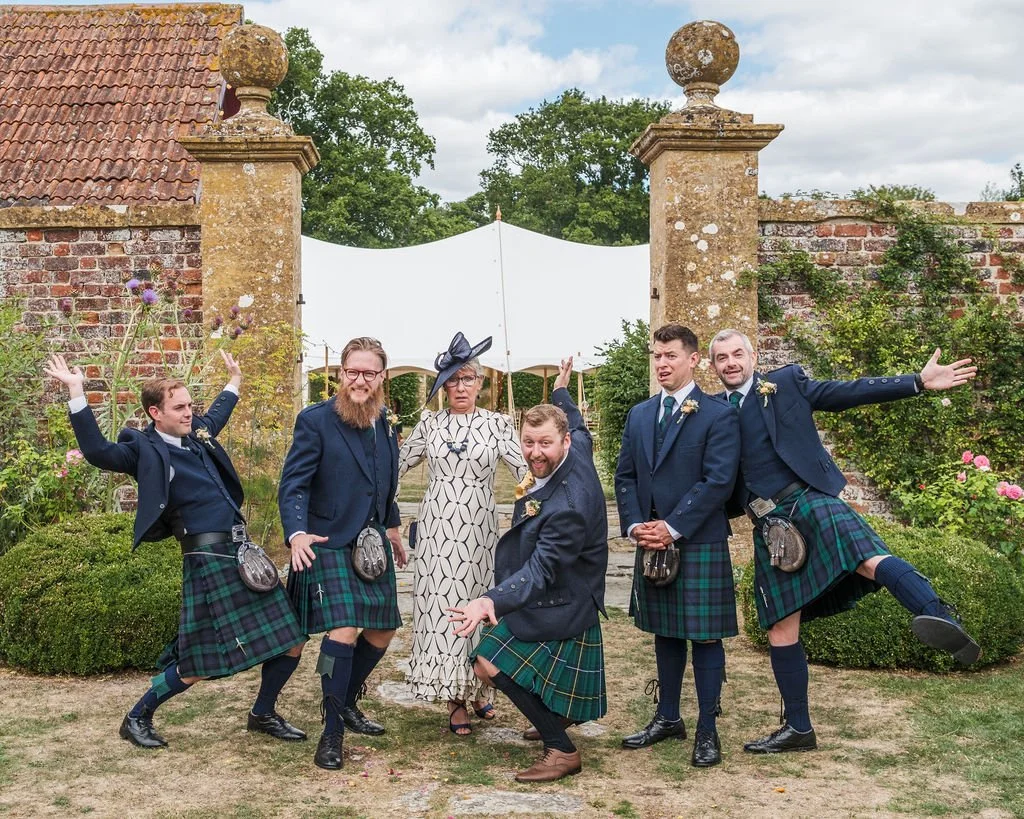
What it means is that we're not the kind of photographers who spend an hour of your wedding day constructing images. We're the kind who spend that hour watching your wedding day happen.
How to know which is right for you
Ask yourself: when you imagine looking through your wedding photos in twenty years, what do you want to feel?
If the answer is that you want to remember exactly how the day felt — the laughter, the tears, the slightly chaotic love of it all — documentary is probably your thing.
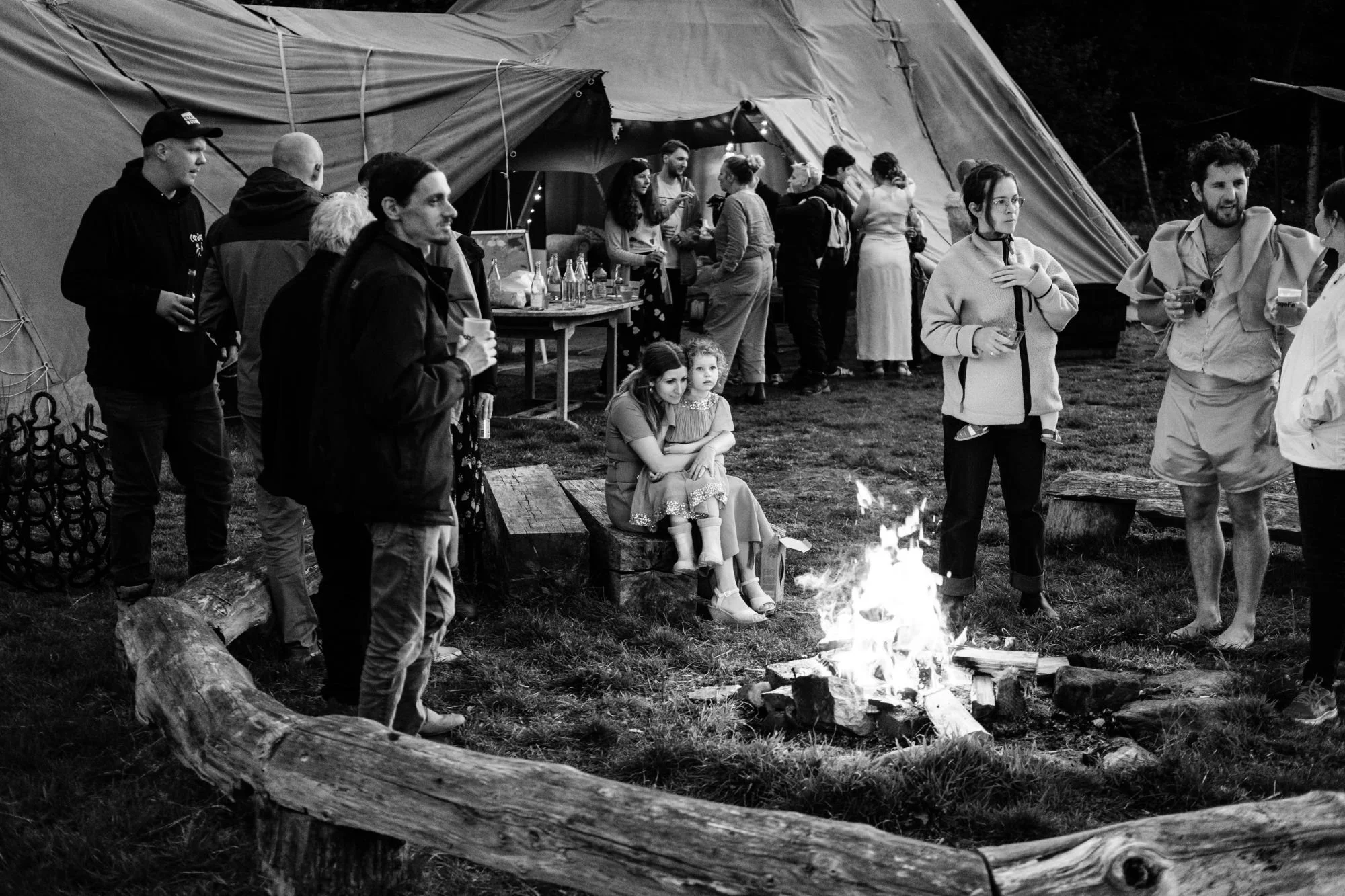
If you want a set of beautifully constructed, highly polished portraits where everyone looks their absolute best and nothing is left to chance, a more traditional photographer might suit you better. And that's a completely valid choice.
We'd just gently suggest that the moments you'll treasure most are rarely the ones that were planned.
If you're planning a wedding in Somerset, Devon, Dorset or anywhere across the South West and the idea of a photographer who watches rather than directs appeals to you, we'd love to have a chat.